Statistics can measure a gap, but they cannot capture what it feels like to sit inside one. Uganda’s 35% primary completion rate, youth unemployment exceeding 17% among those aged 18 to 30, and school internet access below 30% describe the scale of a challenge, but not the lives behind it.
They do not describe teachers stretching every resource they have, a young person in a refugee settlement for whom quality education has always felt distant, or a child whose disability was long treated as a reason for absence rather than a call for inclusion.
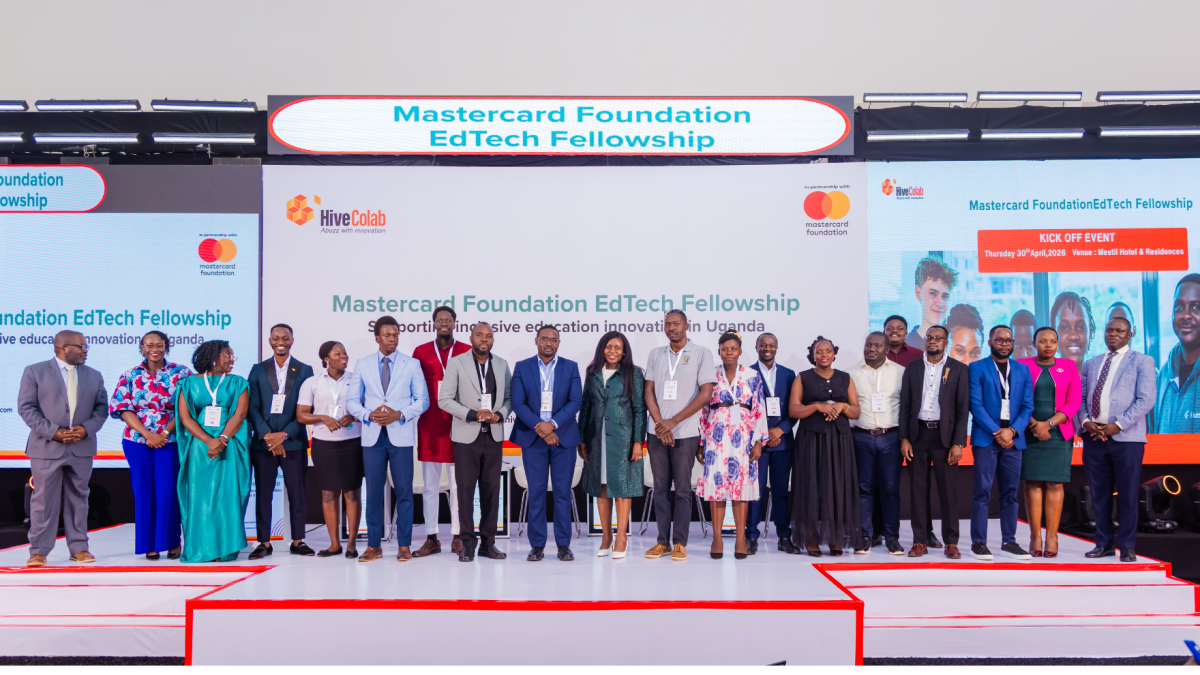
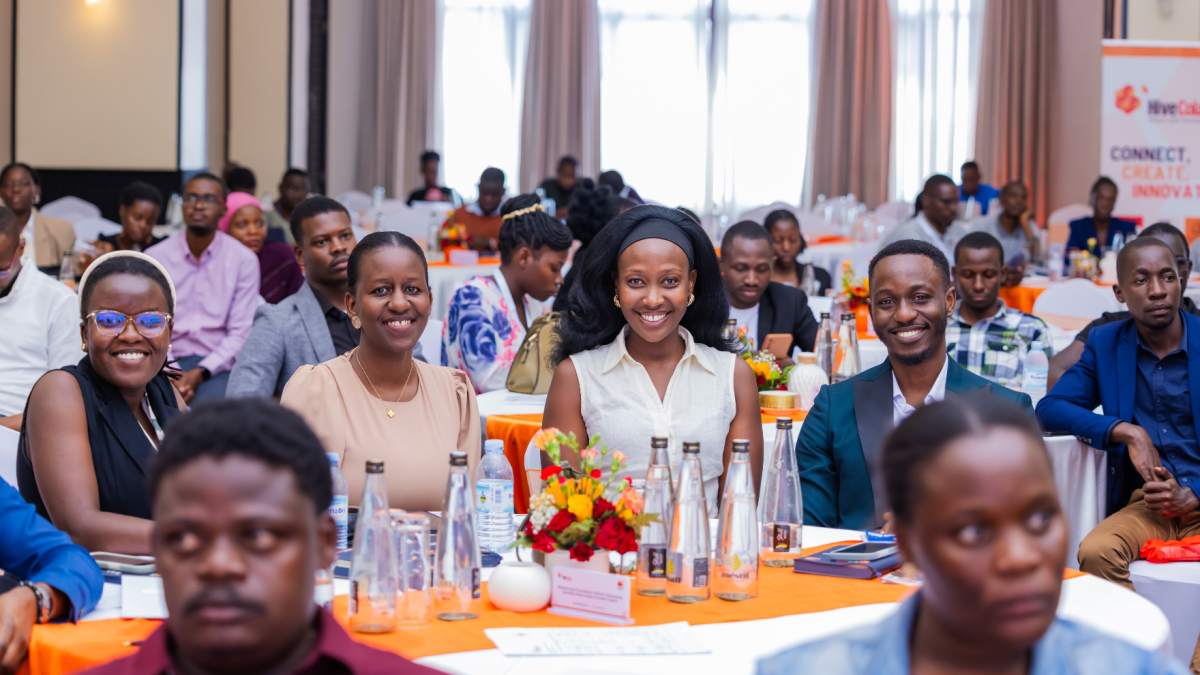
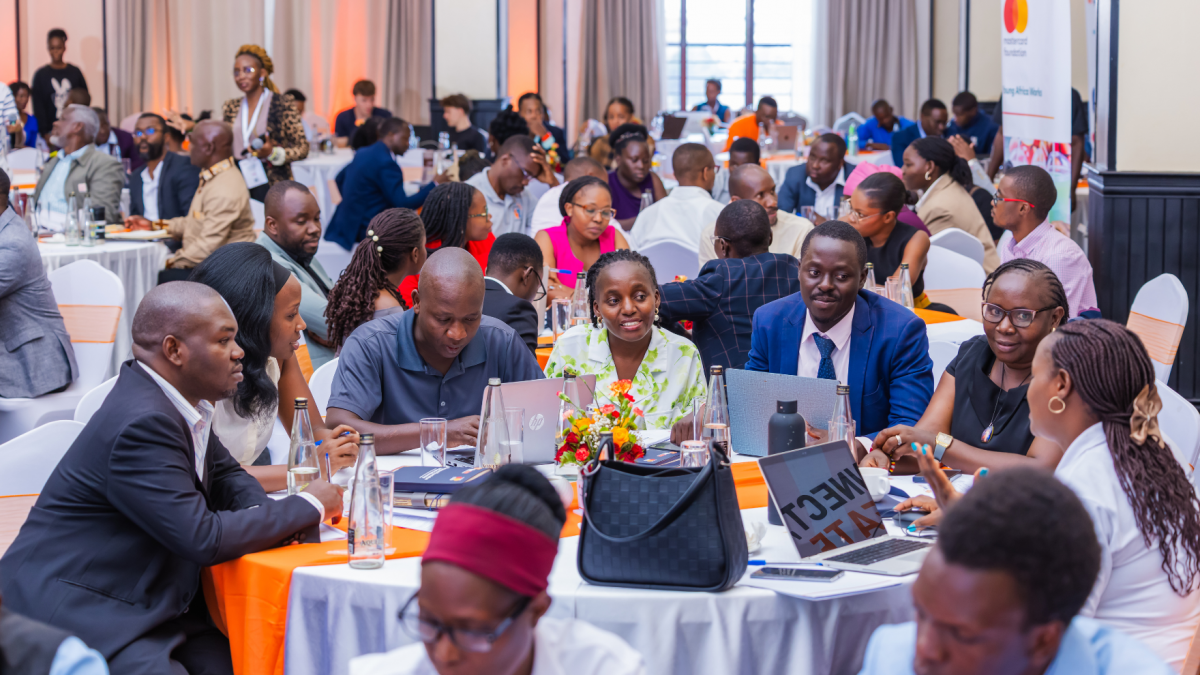
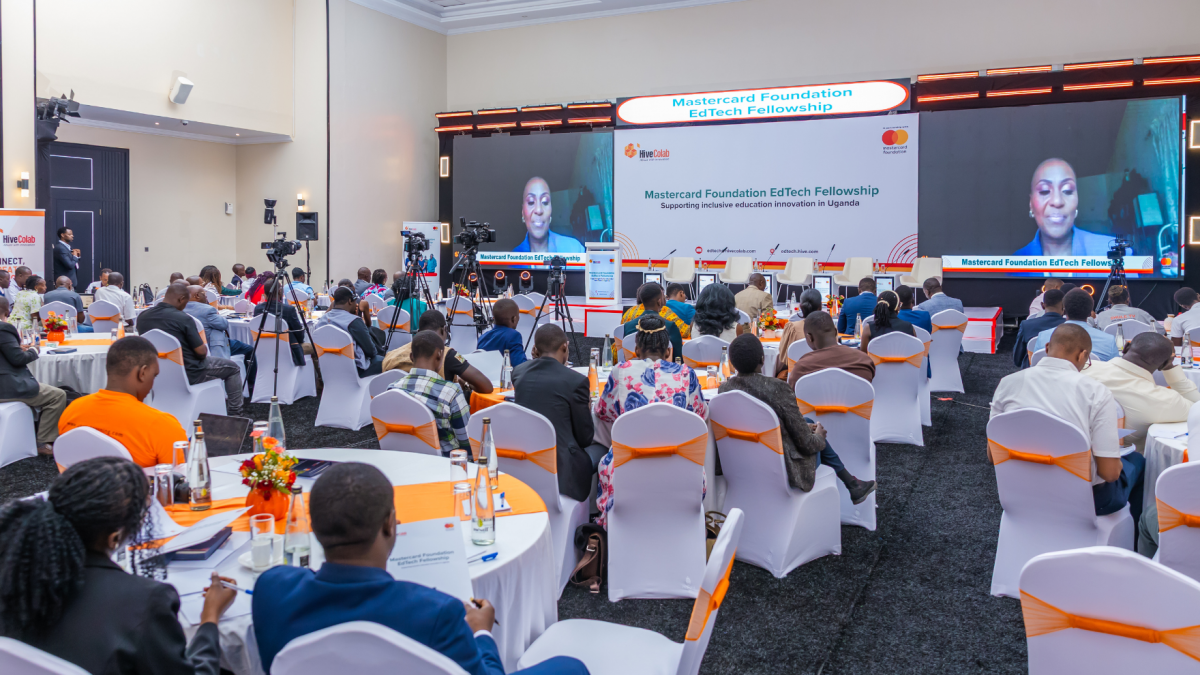
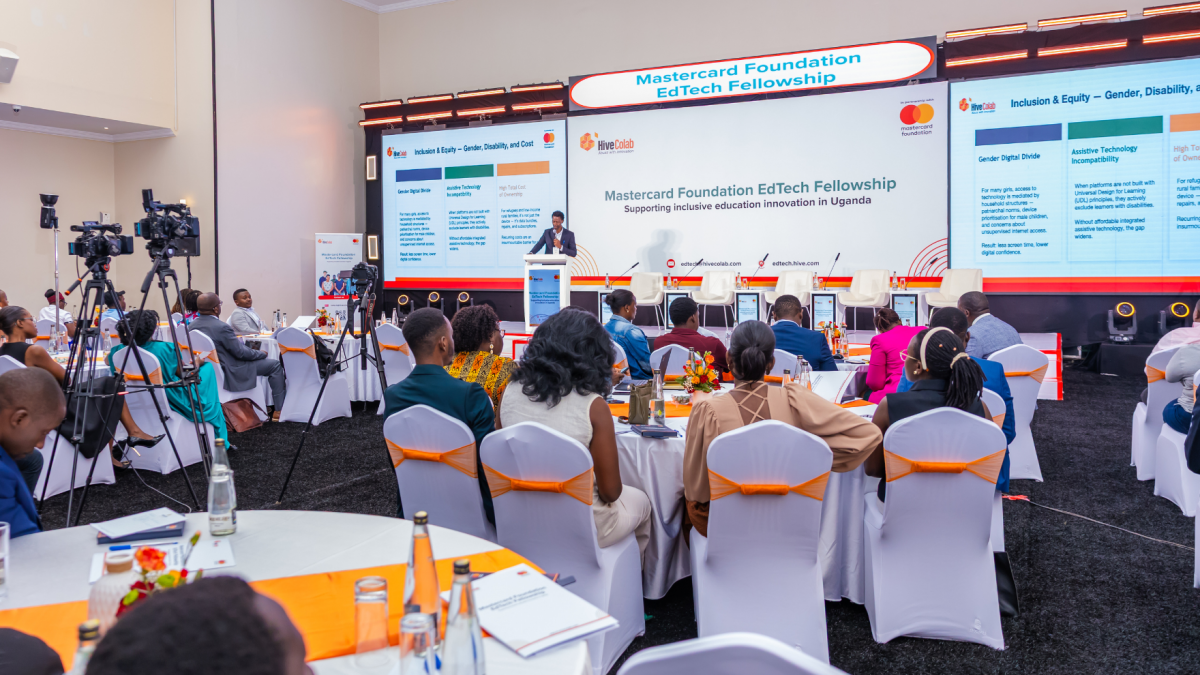
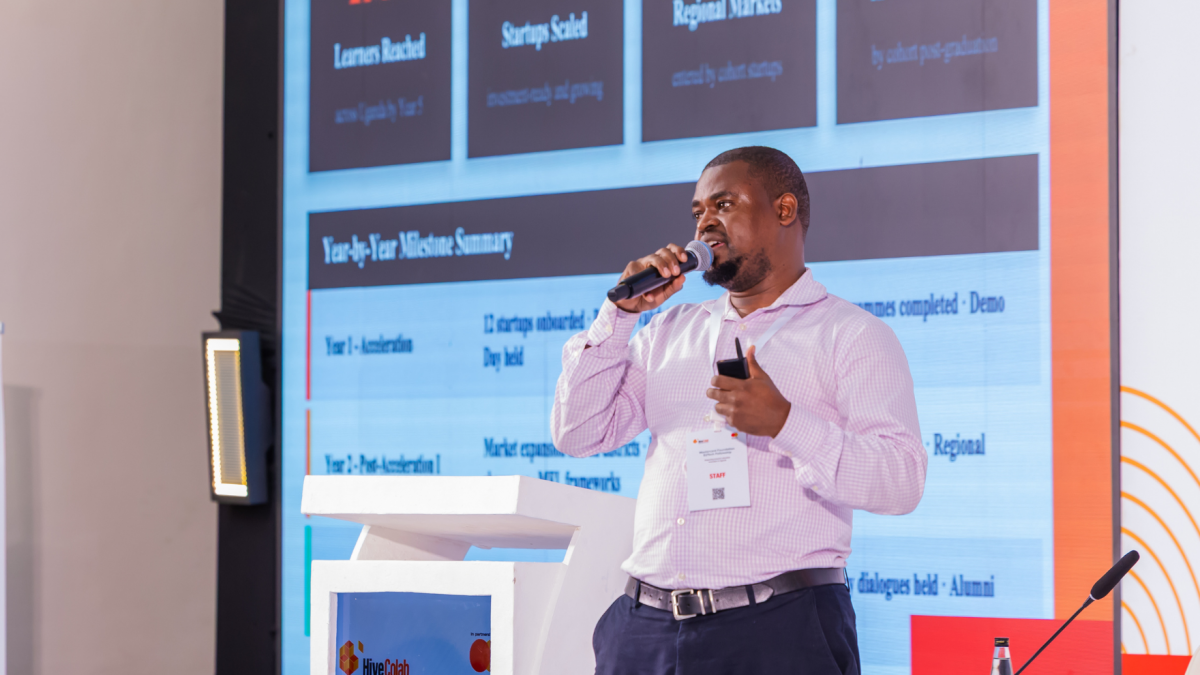
The Mastercard Foundation EdTech Fellowship Uganda was designed with those learners in mind. On 30 April 2026, with the signing of 12 locally led EdTech ventures into the programme’s inaugural cohort, the work of reaching them formally began.
A Programme Built on Evidence
Understanding the ground before scaling the solution
The Fellowship is built on the belief that lasting change in education begins with understanding the ground beneath your feet. Hive Colab commissioned Uganda’s first baseline study of the EdTech ecosystem to map the sector’s real needs, gaps, and opportunities from the ground up.
The study found a sector in motion: 67% of surveyed EdTech solutions launched between 2023 and 2026. But beneath that momentum were structural barriers including undercapitalisation, fragmentation, and the difficulty of scaling beyond pilots.
The Fellowship supports ventures to grow without losing what matters most: inclusion, accessibility, and meaningful outcomes for learners who are often left behind.
Mastercard Foundation EdTech Fellowship, Programme Design Principles
That principle, responsible scale, is the design philosophy behind everything the programme does. It is why the selection process prioritised ventures with demonstrated traction over impressive pitches, and why the support goes far beyond a grant cheque.
Each of the 12 selected ventures will receive equity-free catalytic funding of up to USD 70,000, alongside a structured fellowship curriculum, one-on-one mentorship, learning science and impact measurement support, investor readiness, strategic advisory, and access to partnerships and ecosystem opportunities.
Cohort 1 Fellows
The 12 ventures selected for the inaugural cohort
| # |
Venture |
Sector |
Venture Profile |
| 1 |
Shule.tv |
Digital Learning & Exam Preparation |
Shule.tv provides curriculum-aligned video lessons to primary
and secondary school learners in Uganda through mobile apps,
TV broadcasts, and online access.
|
| 2 |
Yiya Engineering Solutions (YIYA) |
Offline & Low-Tech Education Delivery |
Yiya Engineering Solutions delivers structured, skills-based
education to out-of-school youth, refugees, and rural learners
across Uganda and sub-Saharan Africa through radio, USSD, SMS,
and AI-powered voice air learning.
|
| 3 |
Maarifasasa Limited |
Vocational Skills & Digital Workforce Development |
Maarifasasa trains underserved African learners in high-demand
digital skills including web development, data science, and
workflow automation.
|
| 4 |
Visual Assistance Initiative Ltd (V-SIGHT) |
Assistive Technology for Learners with Visual Impairment |
Visual Assistance provides visually impaired learners in
low-resource schools with the Blind Assistant Reading Kit,
a solar-powered, portable device combining offline audio
learning software and tactile materials.
|
| 5 |
Wokober Education Foundation Ltd |
Hands-On Science & Technology Learning |
Wokober offers hands-on STEM lessons to students in
under-resourced Ugandan schools.
|
| 6 |
Tambula Edtech Concepts |
Classroom Assessment & Game-Based Learning |
Tambula provides teachers in large, resource-constrained
classrooms with a game-based quiz and assessment platform
delivered through purpose-built offline handheld devices
with no smartphones needed.
|
| 7 |
AniScholar Career Hub |
Youth Employment Readiness & Career Development |
AniScholar connects students and recent graduates in Uganda
to expert coaching, career content, bootcamps, and structured
internship placements through a digital platform linked to
employer and university partners.
|
| 8 |
Mindset Coders (Robot Box) |
Robotics & Technology Careers for Young Learners |
Mindset Coders serves students in schools where STEM is taught
too late, too theoretically, and without the hands-on
experience that builds real problem-solving ability.
|
| 9 |
Hi-shule |
Interactive STEM Content & Teacher Support |
Hi-shule delivers offline-first animated STEM lessons,
simulations, and a gamified AI quiz platform to learners
in Ugandan schools that lack laboratories and reliable
electricity.
|
| 10 |
Yaaka Digital Network |
Mobile Learning & Curriculum Content |
Yaaka Digital Network provides curriculum-aligned lessons,
revision materials, and gamified learning content to
in-school and out-of-school learners in Uganda through
a mobile-first, low-data platform accessible on basic
smartphones.
|
| 11 |
STEMGenius |
Interactive STEM Learning & Robotics |
STEMGenius provides learners in Ugandan schools with an
interactive platform that uses simulations, gamified lessons,
and hands-on robotics to make mathematics and science visual,
practical, and engaging.
|
| 12 |
Mulmet / KAT-D App (MULMET CO. LTD) |
Early Childhood Learning & Digital Play |
Mulmet provides early primary school learners in Uganda with
interactive games, quizzes, flashcards, and competency-based
assessments through its platform.
|
Part of Something Bigger
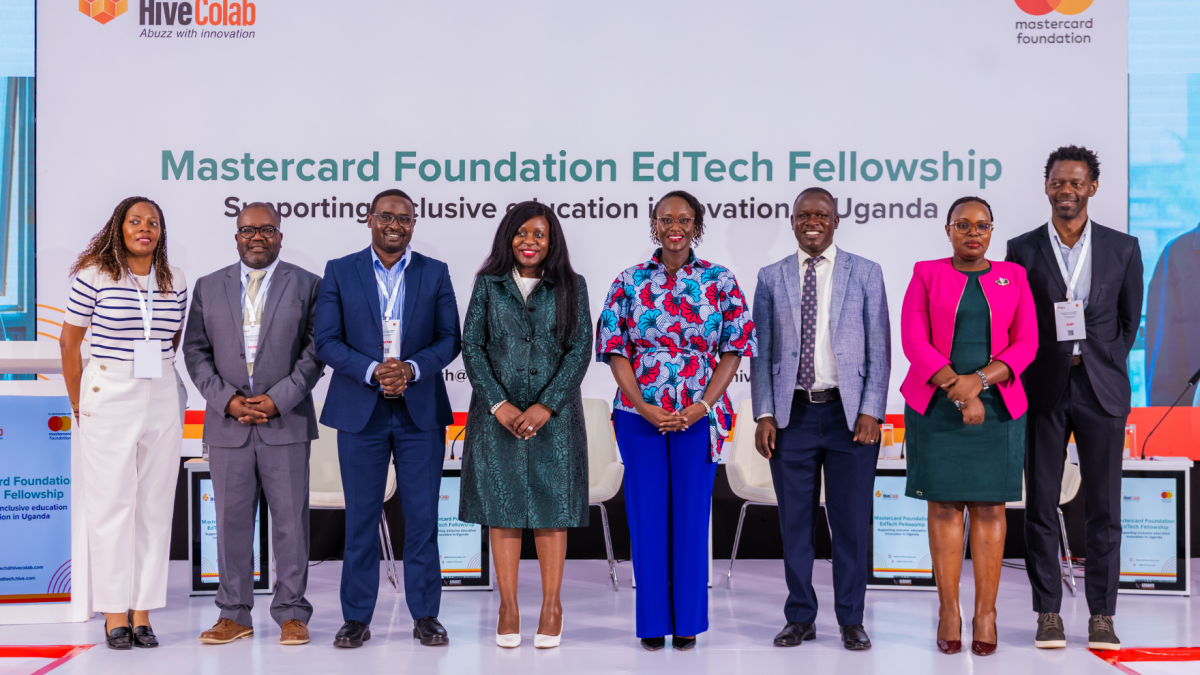
Wariko Waita, Director of the Centre for Innovative Teaching and Learning at the Mastercard Foundation, reminded fellows that by joining the Fellowship they were stepping into a continent-wide network of 236 fellows across Africa: founders, builders, and problem-solvers reimagining how young people learn, transition, and access opportunities.
The Fellowship is not a standalone intervention. It is one piece of a larger ecosystem that delivers lasting change when policy, investment, community, and innovation move in the same direction.
By joining this fellowship, you step into a vibrant network of 236 fellows across Africa, founders, builders, and problem-solvers united in reimagining how young people learn, transition, and access opportunities.
Wariko Waita, Mastercard Foundation
Three cohorts, 36 solutions, nearly one million learners
In Uganda, the Mastercard Foundation has partnered with Hive Colab to accelerate three cohorts of EdTech ventures, with twelve fellows each year starting in 2026, supporting 36 solutions over five years.
By the end of the three cohorts, the ambition is to reach nearly one million learners through ventures that have been strengthened, connected, and positioned to grow sustainably.